Early Signs Your Child Needs Handwriting Help:
Handwriting is more than just a school skill—it’s a foundational part of your child’s cognitive development, academic performance, and self-confidence. Yet, many parents overlook the early signs of handwriting problems in children, which can delay critical intervention. Recognizing these red flags early can help your child overcome challenges before they impact learning and self-esteem.
1. Illegible or Messy Handwriting
One of the most common signs of handwriting difficulty in children is poor legibility. If your child’s writing remains hard to read after age 6, or well into first grade, this could be an early indicator of handwriting development issues.
- Frequent letter or number reversals (like writing “b” as “d”).
- Words and letters that are unevenly spaced or written outside the lines.
- Inconsistent use of margins or lines on the page.
2. Inconsistent Letter Formation and Size
Children with handwriting challenges often struggle with forming letters consistently. This may include:
- Mixing uppercase and lowercase letters within the same word.
- Letters that vary dramatically in size or orientation.
- Writing letters from the bottom up or switching between print and cursive unintentionally.
These signs may point to poor letter formation habits or underlying motor skill delays.
3. Awkward Pencil Grip and Posture
Pay attention to how your child holds the pencil and sits while writing. Inefficient grip or posture can hinder handwriting progress.
- Using a whole fist or wrapping the thumb around the pencil.
- Avoiding wrist contact with the writing surface.
- Sitting in a slouched or twisted posture, often getting too close to the paper.
These behaviors suggest poor fine motor development or weak core strength impacting writing ability.
4. Writing Fatigue and Avoidance
Does your child complain that their hand hurts while writing? Or do they frequently avoid writing tasks?
- Expressing frustration, fatigue, or hand pain after short writing sessions.
- Procrastinating or avoiding homework that involves handwriting.
- Appearing overwhelmed during writing activities at school or home.
Such signs indicate writing endurance problems, often caused by poor pencil control or weak hand muscles.
5. Slow Writing Speed
If your child consistently takes longer than peers to complete writing tasks, they may be experiencing slow handwriting speed or fluency issues.
- Difficulty copying from the board in class.
- Trouble completing tests or writing assignments on time.
- Rushing leads to sloppy or unreadable handwriting.
These delays may reflect underlying motor planning or cognitive processing difficulties.
6. Skipping Letters, Words, or Lines
Children struggling with visual-motor integration may frequently make errors when copying text.
- Omitting letters or words.
- Inconsistent spacing or alignment when copying from a book or board.
- Entire lines skipped without noticing.
This can severely impact academic performance and reading comprehension.
7. Poor Fine Motor Coordination
Handwriting depends heavily on fine motor skills. If your child finds it difficult to handle small tools or complete basic coordination tasks, it could be a sign.
- Difficulty tying shoelaces, using scissors, or buttoning clothes.
- Struggling with coloring inside lines or controlling pencil pressure.
- Letters appear shaky, uneven, or lack proper alignment.
These issues often go hand-in-hand with handwriting challenges in early childhood.
Why These Signs Matter
Ignoring these early signs can lead to long-term academic struggles, decreased confidence, and even conditions like dysgraphia. Early intervention through targeted practice or occupational therapy can significantly improve writing skills and classroom performance.
When to Seek Professional Help
If your child displays multiple signs from the list above, and their school performance is affected, it’s time to take action.
- Talk to your child’s teacher about handwriting concerns.
- Consult a pediatric occupational therapist for a handwriting assessment.
- Look for handwriting improvement programs designed to support motor and writing skill development.
How Parents Can Help at Home
You can support your child’s handwriting development through everyday activities:
- Review schoolwork regularly to monitor handwriting progress.
- Use fun activities like drawing, coloring, or puzzles to improve fine motor control.
- Practice correct letter formation and encourage proper pencil grip.
- Stay in touch with teachers and adjust your support strategies as needed.
Final Thoughts
Handwriting plays a vital role in a child’s overall learning journey. Spotting early signs of handwriting difficulty can empower you to offer timely help. By supporting your child with the right tools, exercises, and—if needed—professional guidance, you’ll help them build not only better writing skills but also lasting confidence in the classroom.
Looking for a Proven Solution?
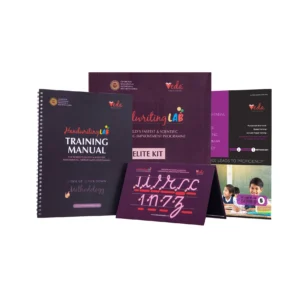
Help your child develop beautiful, confident handwriting with the Veda Handwriting Kit – designed by experts to boost writing skills through fun, structured practice.